
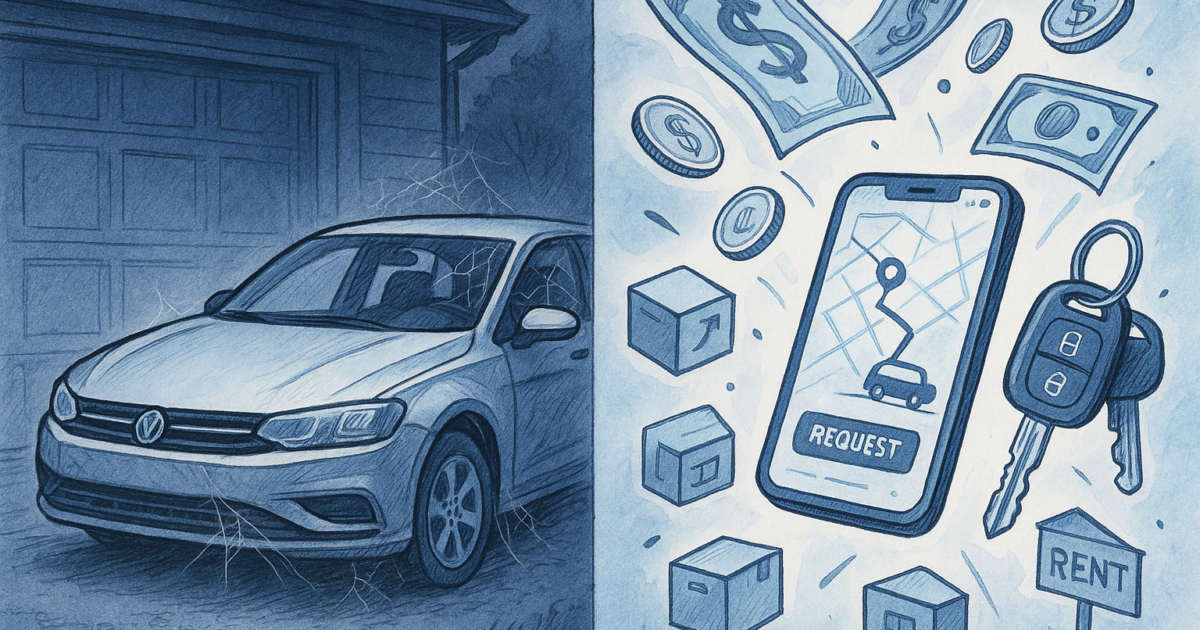
Got a car just sitting in your garage collecting dust? You’re not alone and you’re sitting on a potential goldmine. The sharing economy has exploded since the early days and car sharing is now a $18.6 billion industry that’s growing fast.
Whether you’ve got a second car that rarely gets used or you’re looking to offset those monthly payments, there are more ways than ever to turn your spare wheels into real money. We’ll walk you through six proven methods that range from casual ride-sharing to full-on car rental business opportunities.
What Is Car Sharing and How Much Can You Really Make?
Car sharing comes in two main flavors: ride-sharing (you drive people around) and peer-to-peer rental (you let others borrow your car). Both have gotten way more sophisticated since the early days – we’re talking AI-powered inspections, instant insurance coverage, and apps that handle everything from booking to payments.
Key Benefits:
- Flexible income: Work when you want, rent when it’s convenient
- Built-in insurance: Most platforms cover you during trips and rentals
- Low barrier to entry: Just need a decent car and a clean driving record
- Growing market: Over 68 million users expected by 2029, so demand is there
Earnings vary wildly by location and platform, but drivers in busy cities report making $15-35 per hour for ride-sharing, while car owners can earn $200-800+ per month renting out their vehicles.
Before You Get Started
Make sure you have:
- A car that’s 15 years old or newer (requirements vary by platform)
- Valid driver’s license and insurance
- Clean driving record (no major violations in the past 3-7 years)
- Smartphone for the required apps
- Time for the background check process (usually takes a few days)
1. Uber — The Premium Ride-Sharing Option
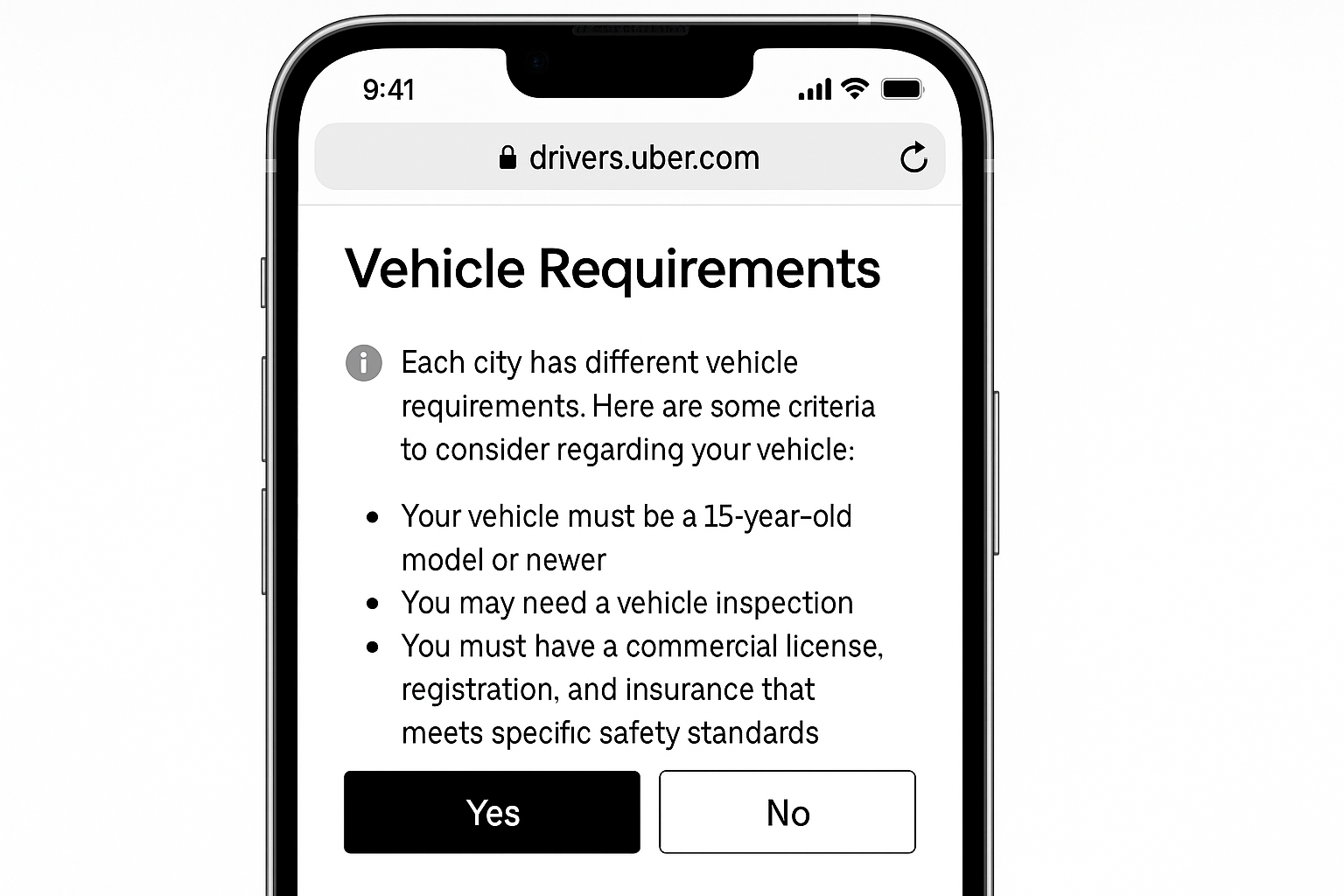
Uber is still the king of ride-sharing, and for good reason. They’ve got the most riders, the best app, and decent earning potential if you’re in a busy area. The platform has evolved way beyond the “black car only” days — now you can drive pretty much any clean, four-door car that’s 15 years old or newer.
What You Need:
- Four-door car in good condition
- Pass a background check and vehicle inspection
- Download the Uber Driver app
How Much You Can Make: Varies by city, but drivers report $15-25 per hour before expenses. Surge pricing during busy times can bump that up significantly.
The Reality Check: You’ll need to factor in gas, wear and tear, and taxes. Uber takes about 25% of each fare, so a $20 ride nets you around $15 before expenses.
2. Lyft — Uber’s Friendlier Competitor
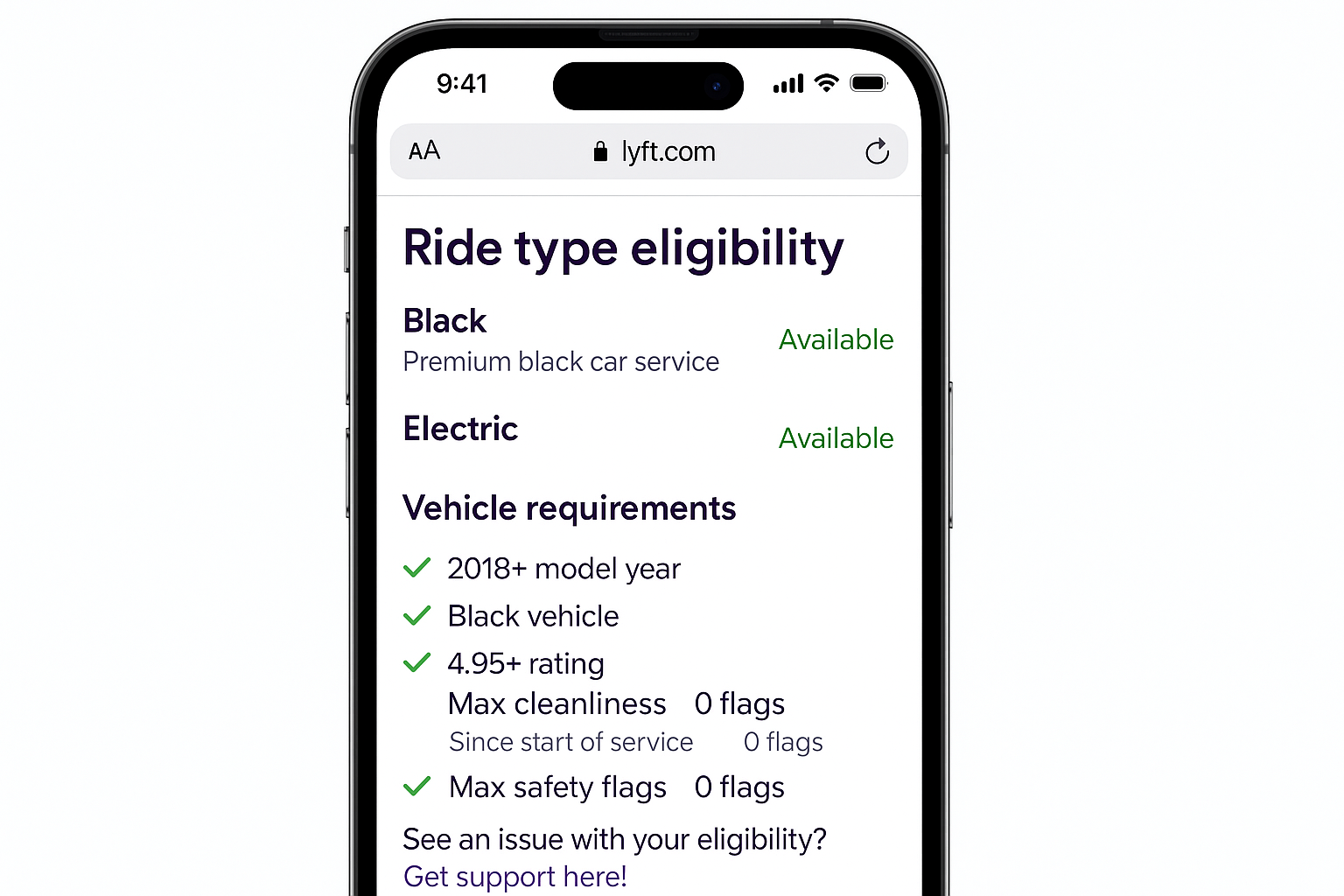
Lyft positions itself as the friendlier alternative to Uber, and many drivers prefer the company culture. The requirements are similar to Uber, and you can actually drive for both platforms to maximize your earning potential.
Key Differences from Uber:
- Slightly more relaxed about car age in some markets
- Better driver support according to many users
- Tips tend to be more common
- Power Driver Bonus program for frequent drivers
The earning potential is roughly the same as Uber, and most full-time drivers work both platforms to stay busy during slow periods.
3. Turo — The “Airbnb for Cars”
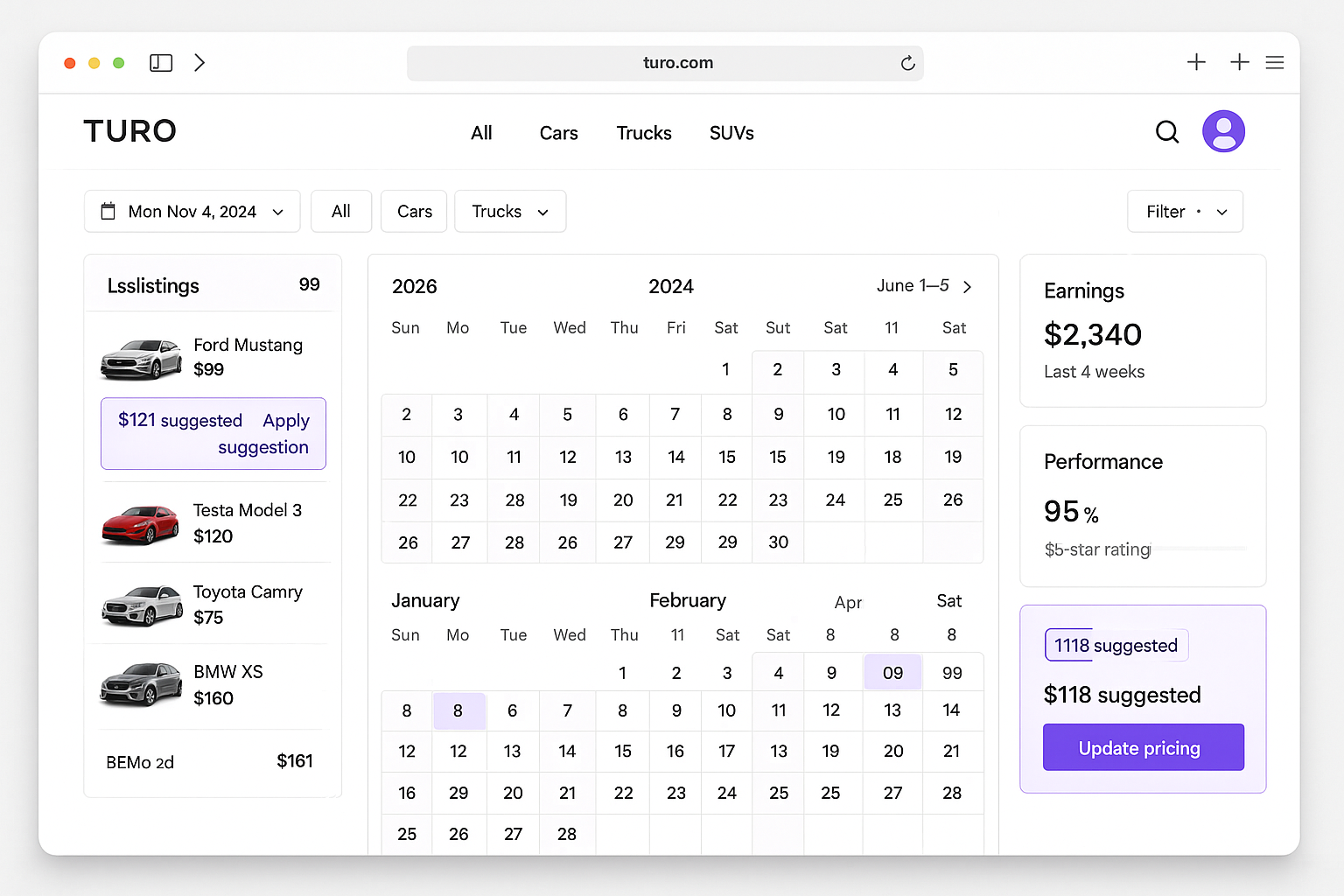
Turo is the biggest name in peer-to-peer car rental, and it’s come a long way since the early days. Instead of driving people around, you just hand over your keys and let renters drive themselves. It’s perfect if you’ve got a car that sits unused most of the time.
How It Works:
- List your car with photos and set your availability
- Turo suggests pricing based on your car and local demand
- Renters book through the app
- You arrange pickup/dropoff (or use Turo’s keyless options in some cities)
- Get paid automatically after each trip
Earning Potential: Owners typically keep 60-85% of the rental fee, depending on the insurance plan you choose. A decent car can earn $200-500+ per month if it’s rented regularly.
Pro Tip: Electric vehicles and unique cars (convertibles, trucks, luxury vehicles) tend to rent more frequently and command higher prices.
4. RentID — The Newer Player with Lower Fees
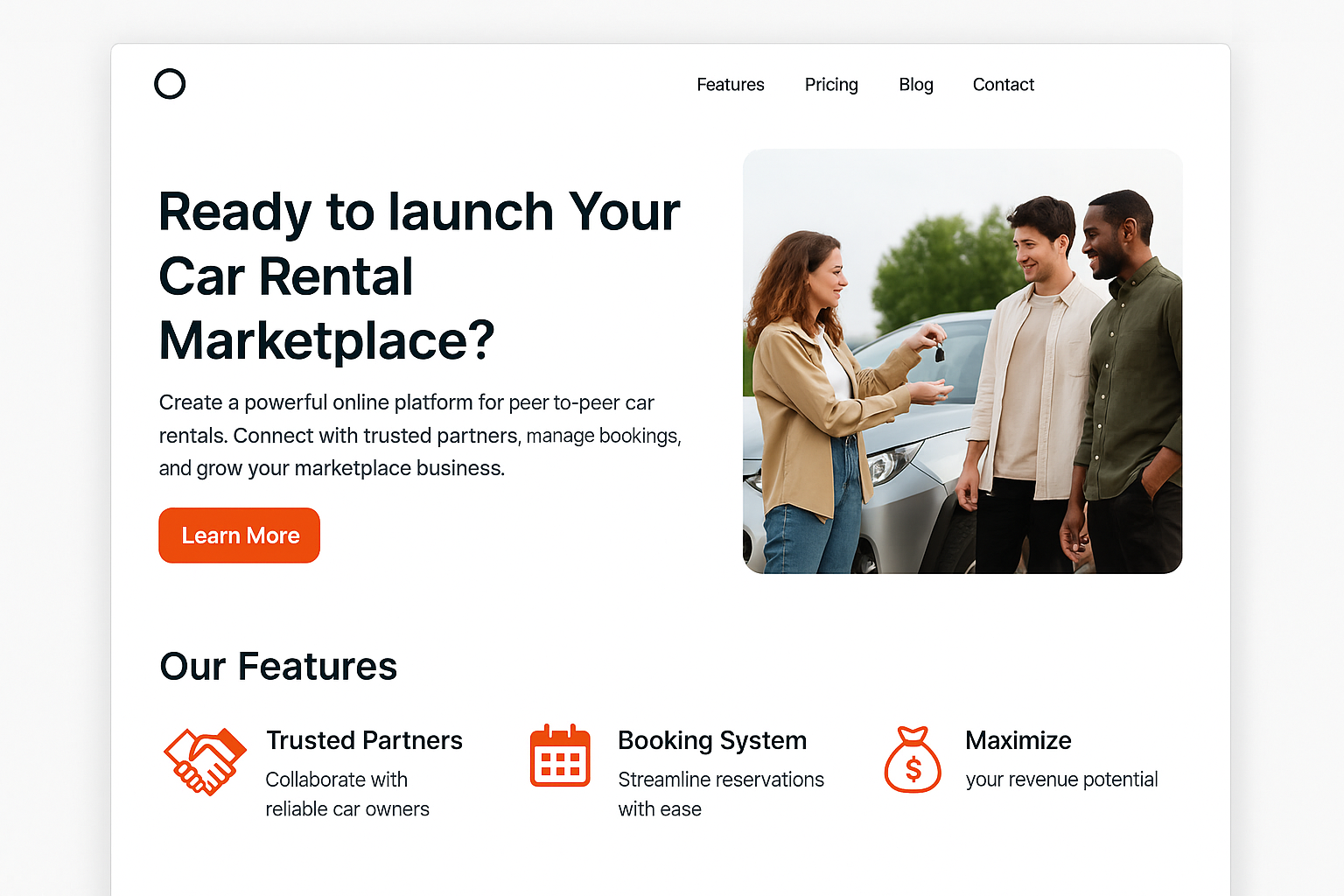
RentID is a growing alternative to Turo that’s gaining traction by offering lower fees to car owners. They take a smaller cut of rentals, which means more money in your pocket.
Why Consider RentID:
- Lower commission fees than Turo
- Growing user base means more potential renters
- Similar insurance coverage and safety features
- Focus on supporting individual car owners over commercial fleets
The platform is still expanding to new cities, so check if your area is covered. If it is, it’s worth listing your car on both RentID and Turo to maximize bookings.
5. Zipcar — For Consistent, Hands-Off Income
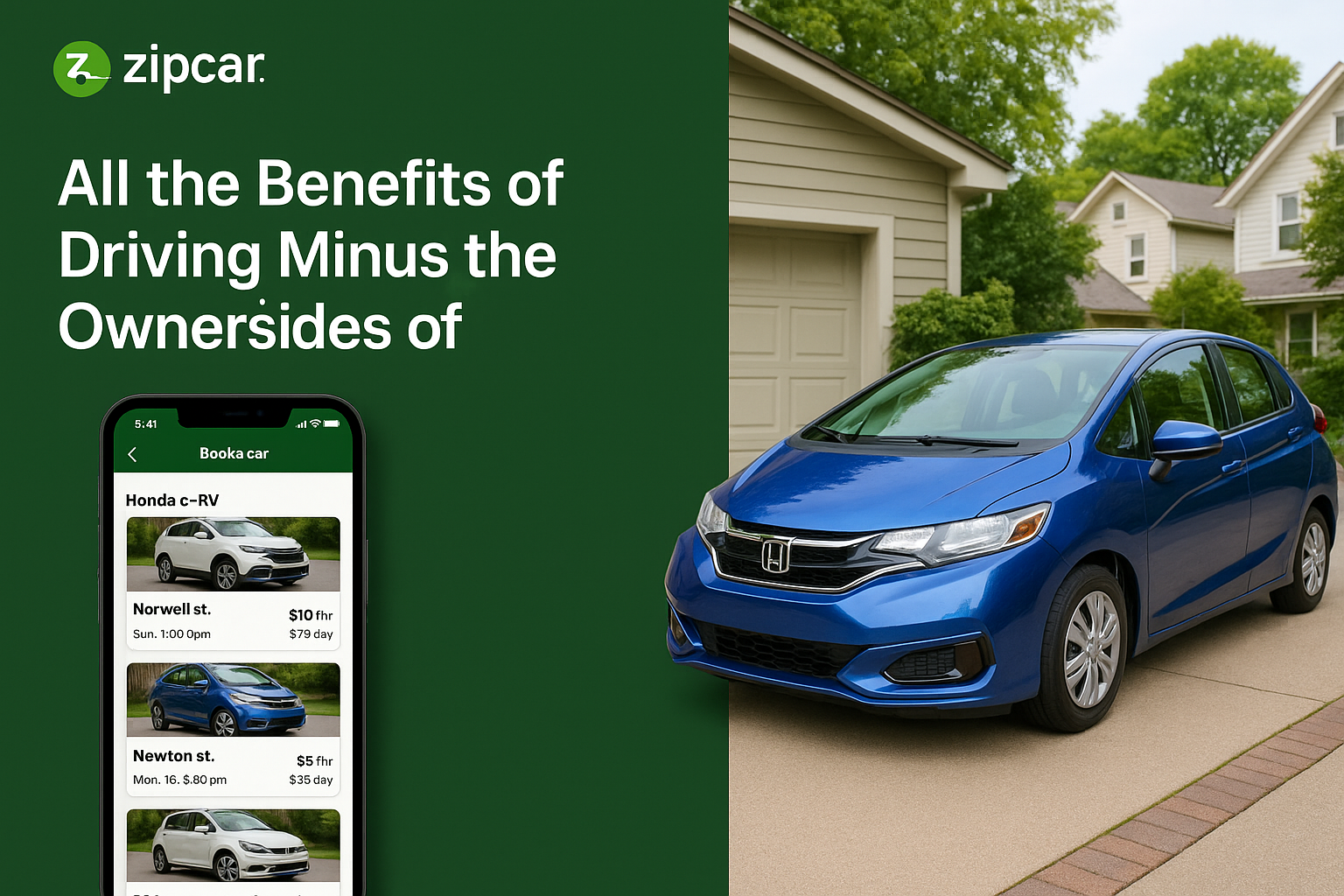
Zipcar operates differently from the other platforms — instead of dealing with individual renters, you essentially lease your car to Zipcar and they handle everything else. It’s more predictable income but less control over pricing.
How Zipcar Works:
- Zipcar evaluates your car and location
- If accepted, they install their technology in your vehicle
- Members can book your car 24/7 through the Zipcar app
- You get paid a monthly fee regardless of usage
This option works best if you live in a dense urban area with lots of Zipcar demand and you want truly passive income from your car.
6. DoorDash/Uber Eats — Food Delivery
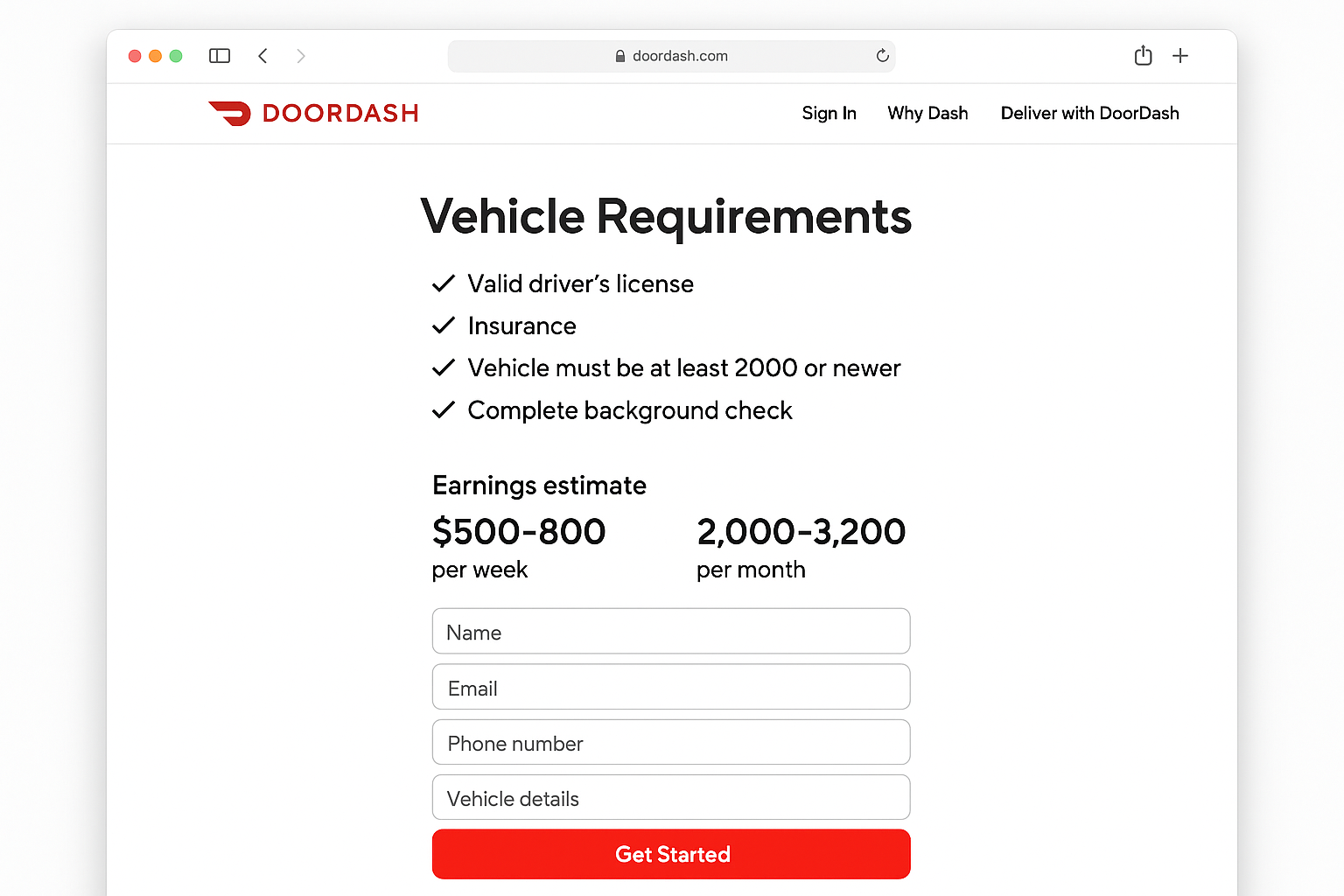
If passenger rides aren’t your thing, food delivery might be perfect. The requirements are more relaxed (you can use older cars, bikes, or even walk in some areas), and you don’t have to deal with passengers.
Advantages of Food Delivery:
- Lower car requirements (some platforms accept cars up to 20 years old)
- Shorter trips mean less wear on your vehicle
- No awkward passenger conversations
- Can work during meal rushes for higher pay
The Downside: Pay is generally lower than passenger rides, typically $10-18 per hour before expenses. But the flexibility can make up for it if you’re just looking for side income.
Tips for Maximizing Your Earnings
For Ride-Sharing:
- Work the busy times: Friday/Saturday nights, rush hours, and special events pay the most
- Keep your car clean: Higher ratings mean more rides and better tips
- Learn your city: Know the shortcuts and where demand is highest
- Track your expenses: Gas, maintenance, and depreciation are all tax-deductible
For Car Rentals:
- Price competitively: Check what similar cars rent for in your area
- Take great photos: Good pictures can double your booking rate
- Be responsive: Quick replies to rental requests lead to more bookings
- Consider multiple platforms: List on Turo AND RentID to maximize exposure
Common Issues and How to Handle Them
Problem: Damage to your vehicle
All major platforms provide insurance, but document everything. Take photos before and after each rental or ride, and report issues immediately through the app.
Problem: Difficult customers
The rating system works both ways — you can decline future rides from problem passengers or reject rental requests from users with poor reviews.
Problem: Inconsistent income
Demand varies by season and location. Consider working multiple platforms or combining ride-sharing with car rental to smooth out the ups and downs.
Problem: Tax complications
You’re technically running a business, so keep detailed records. Most platforms provide annual tax documents, but you’ll want to track expenses throughout the year.
Is It Worth It?
The sharing economy has definitely matured since those early Wild West days, and the platforms have gotten much better at protecting both drivers and car owners. Whether it’s worth it depends on your situation, but the math can work out pretty well.
If you’ve got a car sitting unused, peer-to-peer rental is a no-brainer, it’s basically free money with minimal effort. For ride-sharing, it works best as flexible side income rather than a full-time job replacement. The key is being realistic about the time commitment and expenses involved.
The good news? You can try any of these platforms with minimal upfront investment and see how it goes. Just remember to factor in wear and tear on your vehicle and keep good records for tax time.