
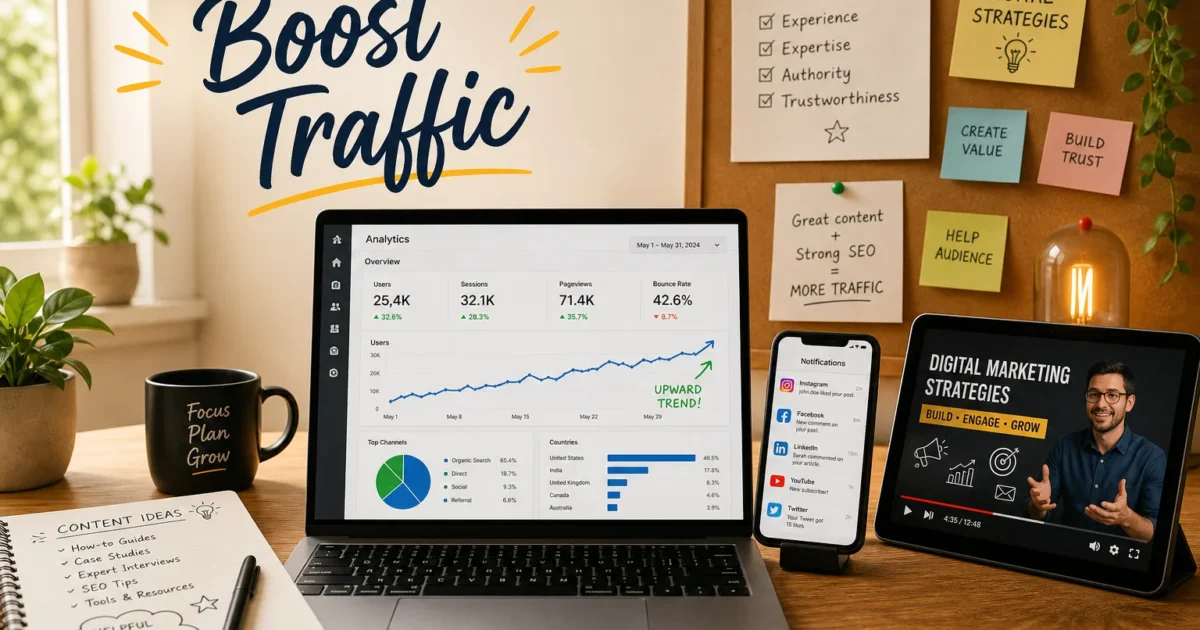
Running a website and wondering where all the traffic went? Welcome to the club. With more than 1.8 billion websites competing for attention online, standing out takes some deliberate effort, but the good news is these strategies actually work.
One thing worth knowing upfront: the playbook has shifted. AI-powered answer boxes in Google can now surface answers directly in search results without users ever clicking through to your site. Rankings alone don’t guarantee clicks like they used to (which is a little annoying, honestly). Building traffic from multiple sources, search, social, video, and community, is less optional than it used to be.
These seven strategies are worth a look if you want growth that doesn’t hinge entirely on one algorithm’s mood.
1. Build Your EEAT
Google calls it EEAT, Experience, Expertise, Authority, and Trustworthiness. It’s basically a set of signals that help Google (and the AI systems that now surface content in answer results) decide whether your site deserves to rank. Building EEAT doesn’t require anything complicated. It mostly comes down to making your credentials clear and visible.
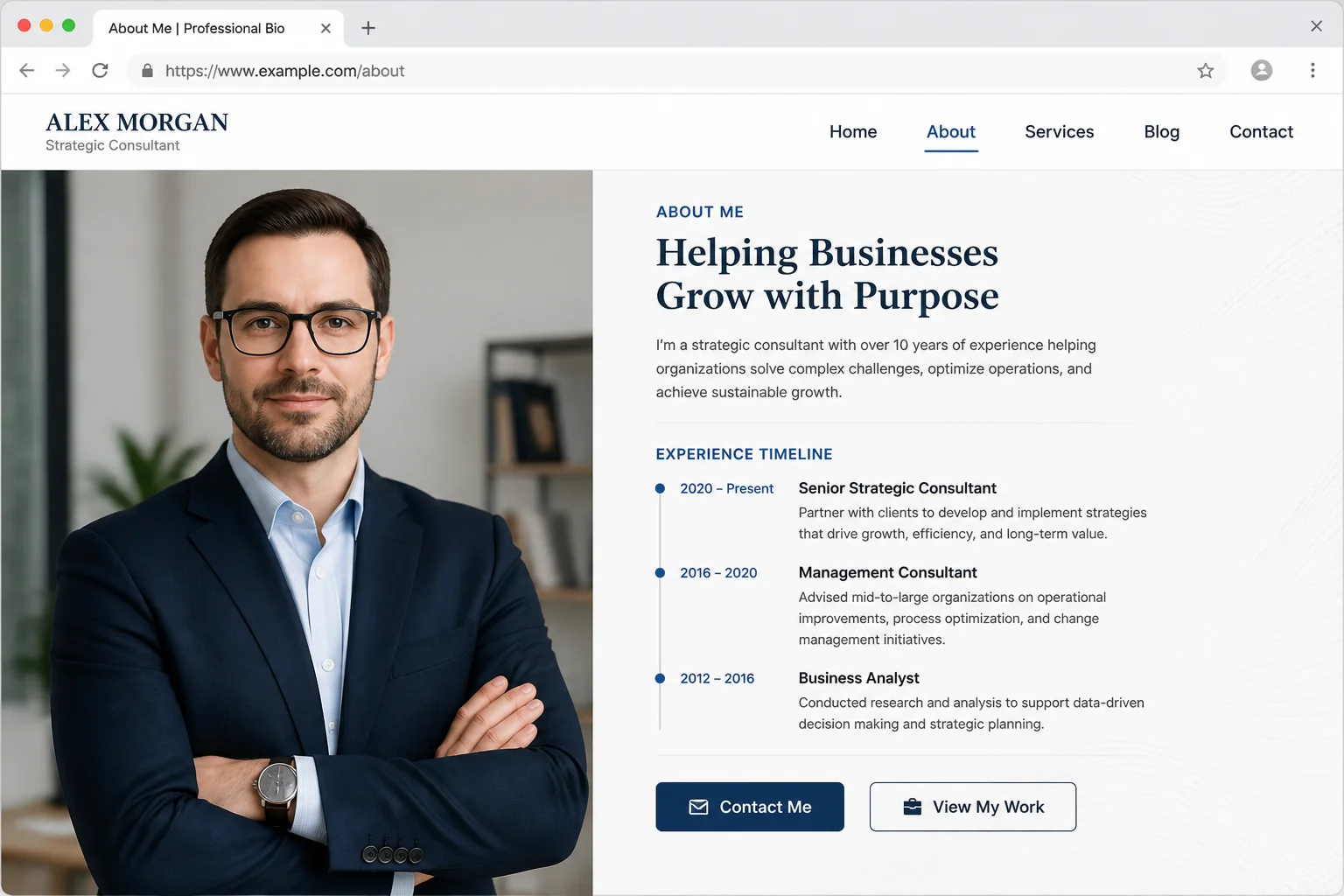
- Write a real About page: Be specific about what you’ve actually done, for how long, and why that qualifies you to cover your topic. Specific claims beat vague bios every time.
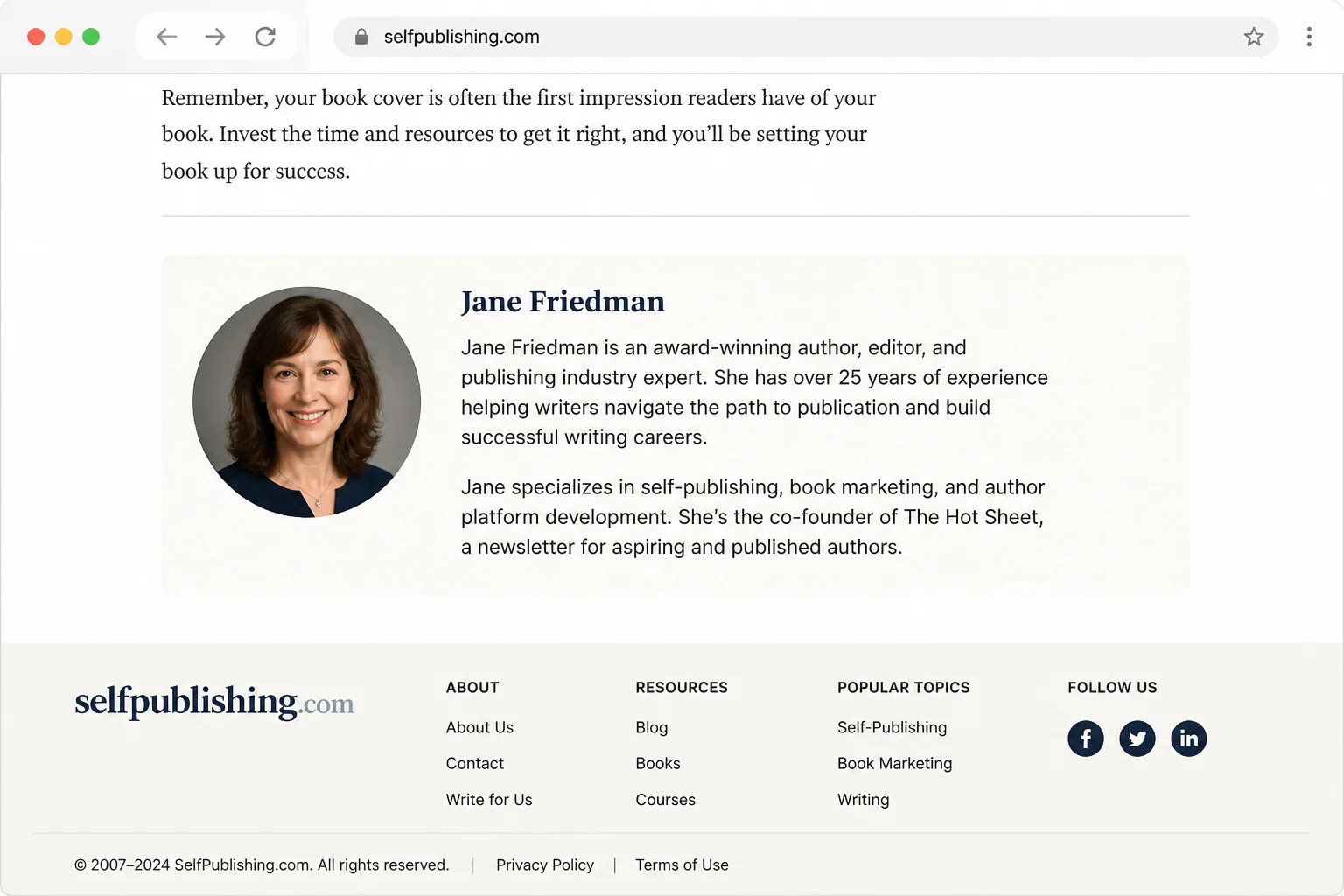
- Add author bios to every article: A short bio at the bottom of each post, with credentials, relevant experience, and a headshot, tells both readers and Google that a real, qualified person wrote this. It also makes first-time visitors feel more confident sharing or bookmarking your work.
- Link your credentials elsewhere: A LinkedIn profile, published work, certifications, or a strong social presence on your topic all reinforce your authority. Link to those from your About page.
Answering questions on Quora is another solid move. Quora pulls enormous monthly traffic from people actively searching for answers in your niche. Answer questions thoroughly, include your site in your profile, and you’ve got a free credibility-builder that sends curious readers back to your site.
2. Think in Topic Clusters, Beyond Keywords
Old-school SEO advice: find a keyword, write one article, repeat. That still works to a degree, but there’s a smarter approach that builds more durable traffic.
Topic clusters work like this. Pick a broad subject your site covers well, then write a detailed pillar page on that topic. From there, create supporting articles that answer specific related questions, all linking back to the pillar. Search engines see the whole cluster and understand your site genuinely covers that subject, rather than having one isolated article that briefly touches on it.
A few other SEO basics worth getting right:
- Research your topics first: Tools like WordTracker or SEMRush help you find topics with decent search volume and manageable competition. Worth checking before you write anything new.
- Write titles and meta descriptions for humans: Specific, benefit-driven titles outperform vague ones. If someone searches a question, your title should make it obvious you answer it.
- Add schema markup: This is structured code that tells search engines and AI systems what your page is about. FAQ schema in particular can get your content featured in Google’s answer boxes, free real estate.
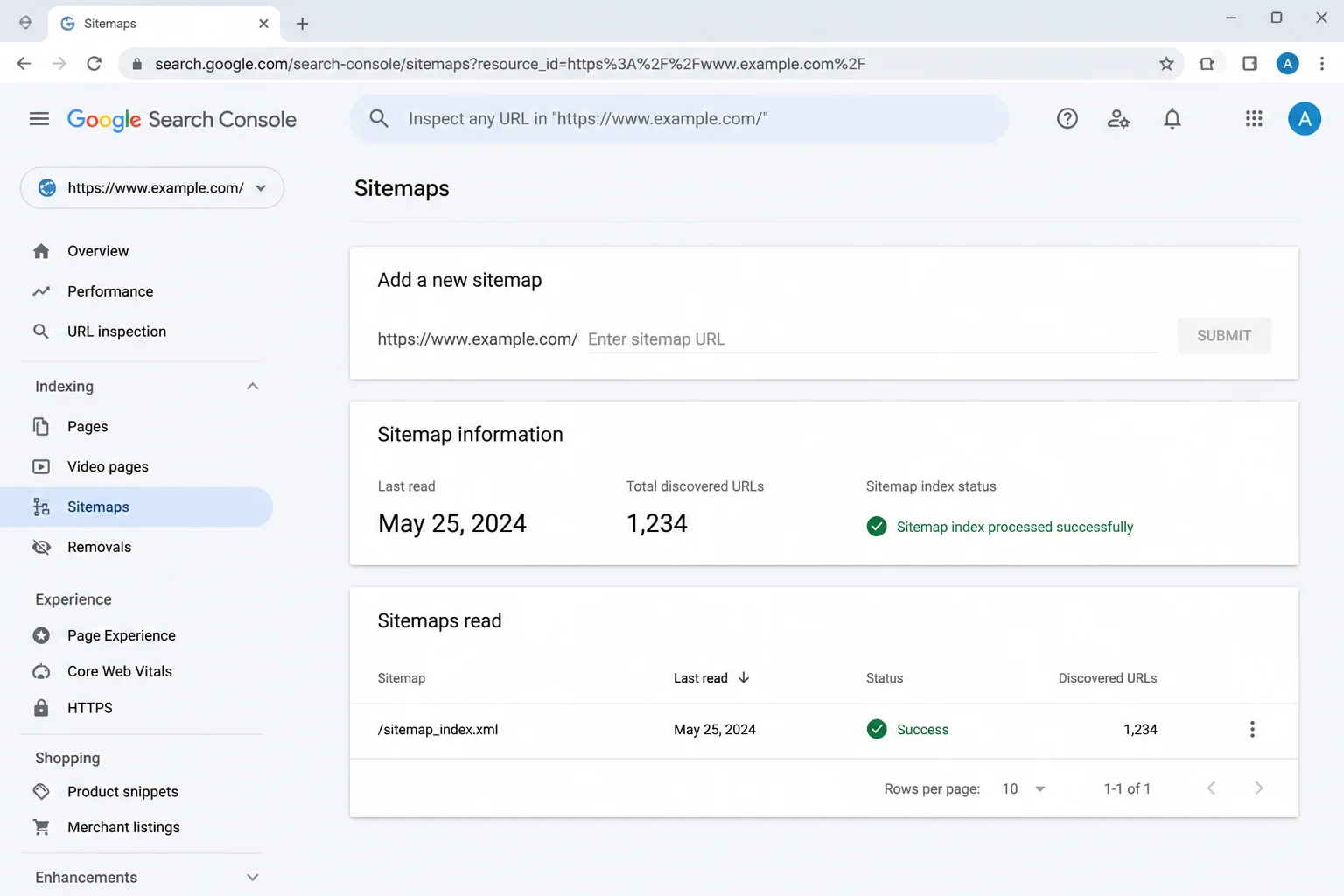
- Submit your XML sitemap in Google Search Console: It’s free, and submitting your sitemap helps Google find and index your pages faster. Check the Coverage report while you’re in there.
- Use HTTPS: If your URL doesn’t start with
https://, fix that today. Google ranks secure sites higher, and browsers show visitors a warning on any site without SSL. - Install a CDN: Services like Cloudflare store copies of your content on servers worldwide, so pages load faster no matter where your visitors are.
3. Make YouTube Your Second Homepage
YouTube is the second-largest search engine in the world. People go there specifically looking for tutorials, walkthroughs, and how-to explanations, exactly the kind of content that makes a good website article.
Creating videos to go alongside your written posts does two things: it captures the audience who’d rather watch than read, and it gives you a second channel where someone can discover your work and end up on your site.
- Repurpose your best articles into video tutorials: You’ve already done the research. The video just presents it in a different format.
- Always link to the full article in the video description: Some viewers want to read after watching. That link is easy traffic back to your site.
- Keep your channel focused on your site’s topics: A tightly focused channel builds subscribers who actually care about what you publish.
4. Go Where Your Readers Already Are
Publishing on other platforms sounds counterintuitive, but it’s one of the smarter traffic moves there is. You’re fishing in bigger ponds while your site still gets the benefit.
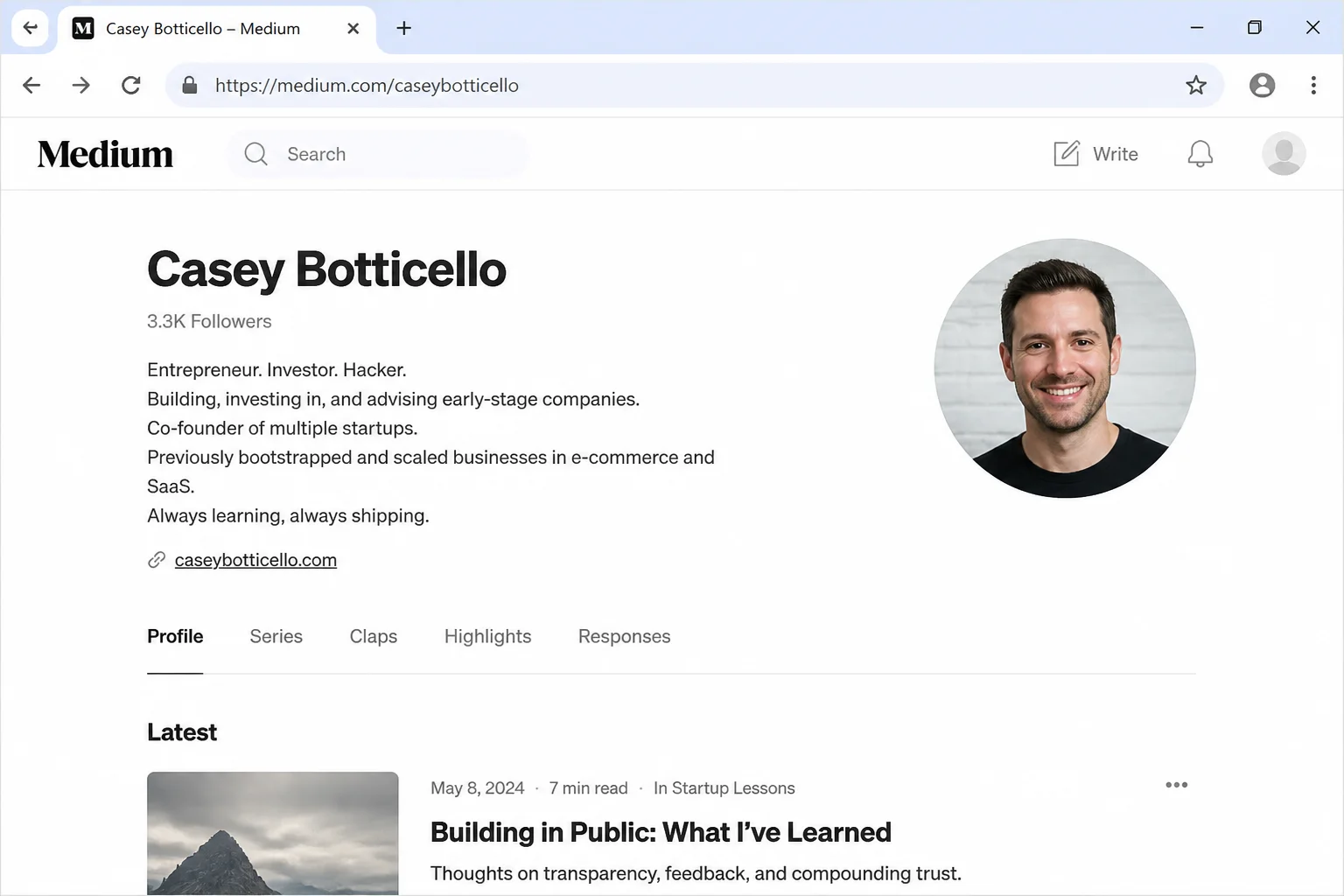
- Medium: Still pulls solid monthly readership. A link in your profile or article body sends curious readers your way, and it gives your site a backlink from a high-authority domain.
- LinkedIn: Genuinely underrated for anything business, tech, or professional. Short posts and articles with links back to your site can drive real traffic, especially with consistent posting.
- Reddit and niche communities: Find the subreddits, Discord servers, or forums where your audience hangs out. Spend more time answering questions than dropping links, and you’ll build a reputation that pulls people to your site over time.
- Email newsletters: Email is one of the most reliable traffic sources you can build, because you own it. No algorithm decides whether subscribers see your message. Even a small, engaged list reliably drives traffic every time you publish.
You might also think about creating a free course or webinar on a topic that mirrors your site’s content. Link back to your site throughout the course materials, and you’ve opened another discovery route for people who prefer learning that way.
5. Refresh Old Content Before Writing New Stuff
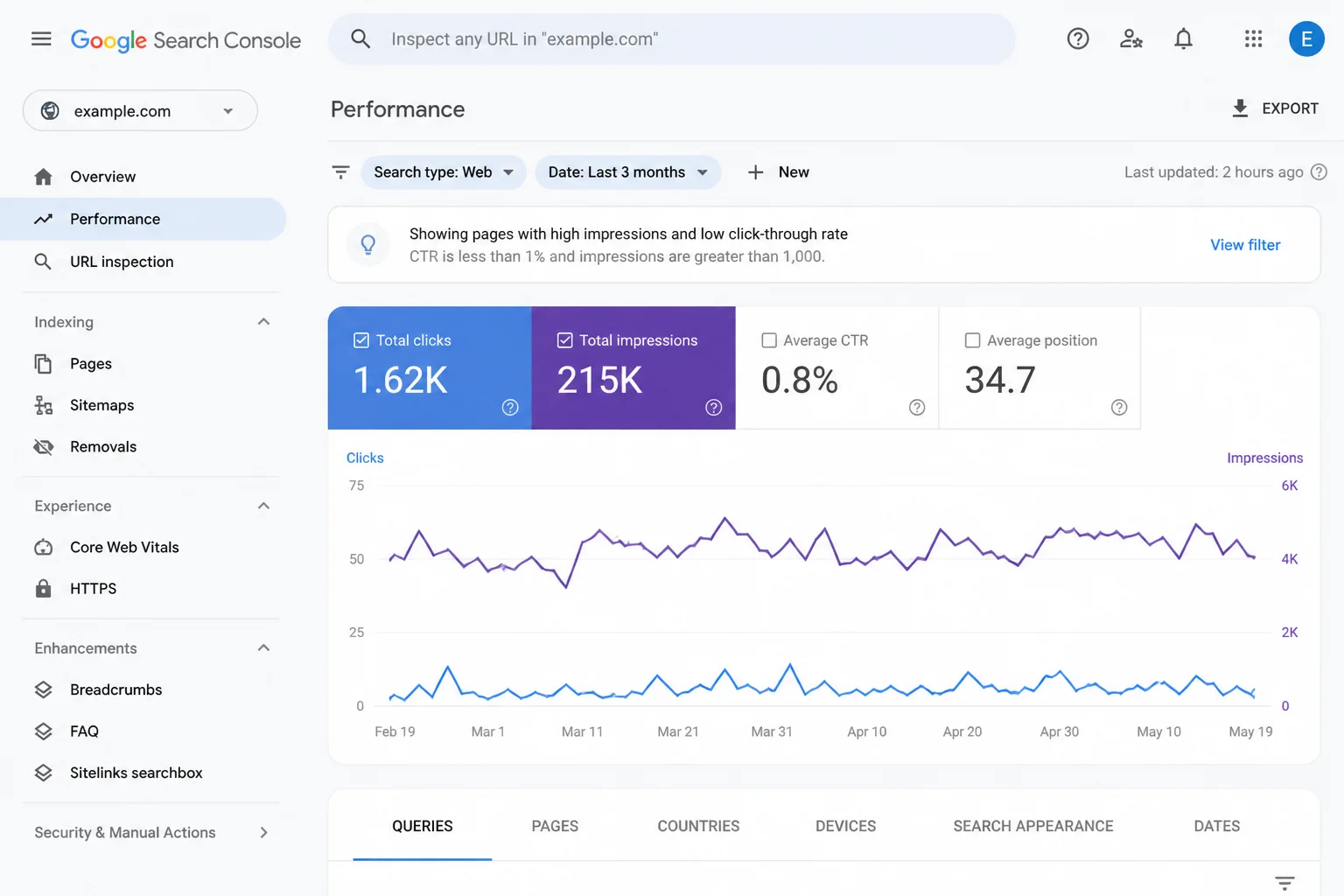
Publishing new articles feels productive. Updating existing ones often has a bigger payoff. Pages that are already getting search impressions but weak click-through rates are sitting just outside the top results, they just need a nudge.
Pull up Google Search Console and look at the Performance report. Any page with a decent impression count and a low click-through rate is worth a few hours of your attention.
When refreshing a post, ask yourself:
- Does it still answer the query accurately with current information?
- Are the headings clear and well-organized?
- Is anything missing that a reader would reasonably expect to find?
- Does the title and meta description clearly signal what the page actually delivers?
A properly updated article can jump several spots in rankings without you building a single new backlink. That’s a pretty good deal for an afternoon of work.
6. Run Polls on Social Media
Polls are weirdly effective at generating engagement. People can’t resist voting, and once they vote, they tend to come back to check the results. That repeat behavior is exactly what you want.
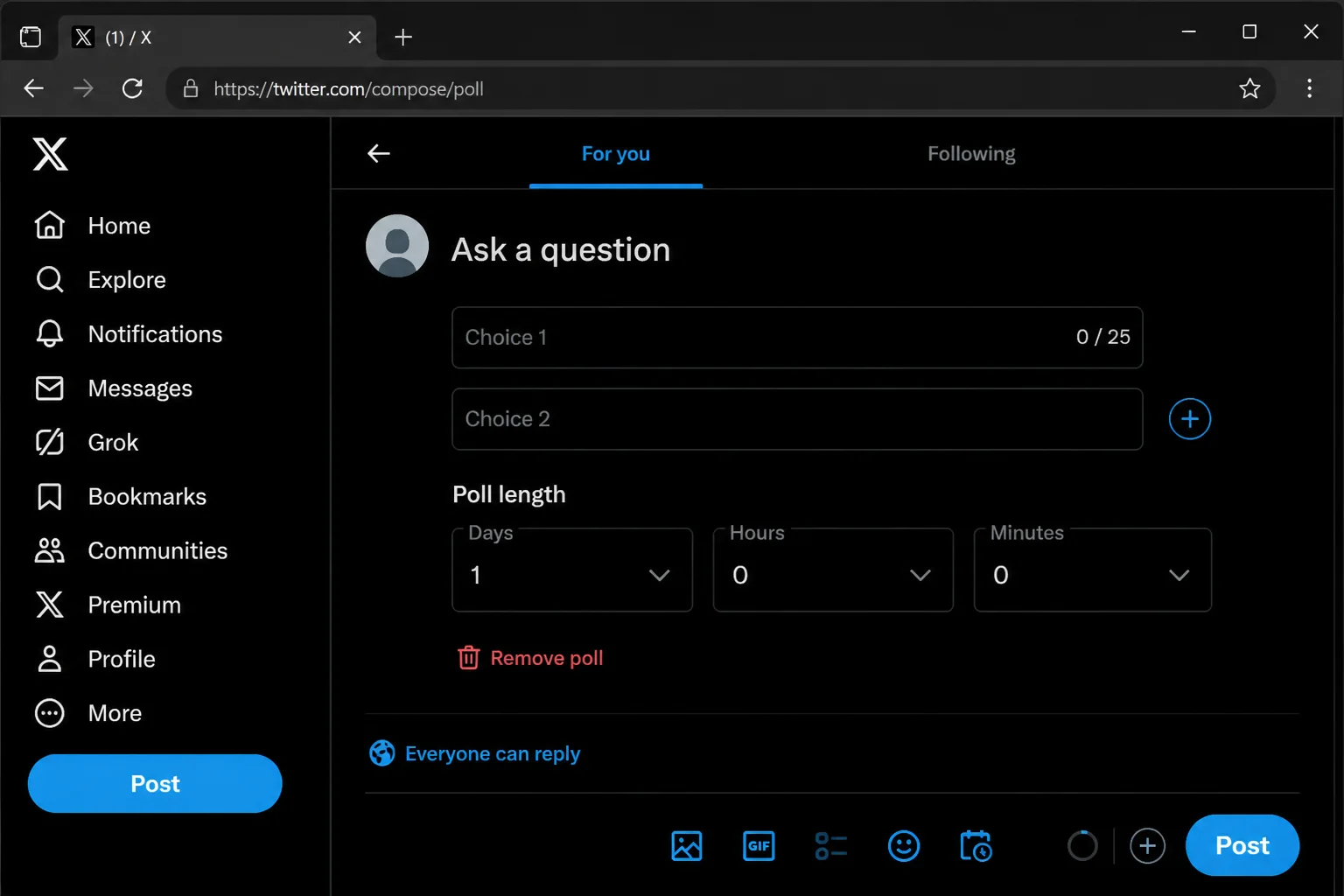
On X (formerly Twitter), create a poll directly from the compose screen by clicking the Poll icon at the bottom of the compose box. Fill in your question and answer choices, then post it.
If you want to drive traffic back to your site specifically, create a custom survey using Google Forms and share the link on social media. Tell people to visit your site to see the full results, that’s a reason to click, and a reason to bookmark the page for later.
Debated comparisons in your niche (“Do you prefer X or Y?”) consistently outperform generic questions. Something your audience actually has an opinion on will always go further than a bland prompt.
7. Interview Influencers in Your Niche
Publishing an interview with someone well-known in your field is one of the highest-payoff traffic moves out there, and surprisingly few site owners actually try it.
The reason it works: the person you interview has an audience that already trusts them. When they share the interview link (and they usually do), their followers click through. You get a wave of new visitors, some of whom will stick around.
What the influencer gets:
- A polished, published piece that showcases their expertise
- Something concrete to share with their own audience
- Free publicity with zero effort on their end
What your site gets:
- Search traffic whenever anyone Googles their name
- Social traffic when the influencer shares the link
- Potentially more followers on your own social accounts
Cold outreach can feel uncomfortable, but influencers say yes more often than you’d think, especially if you approach them professionally and make it clear the interview is brief and easy on their end.
Tips and Troubleshooting
Problem: Rankings look stable but traffic keeps dropping
AI Overviews in Google can display answers directly on the search results page, so users get what they need without clicking. Your ranking looks fine, the click-through rate has taken the hit. The fix is content that goes deeper than a quick summary: step-by-step guides, original data, and genuine opinions that a snippet can’t fully replicate.
Problem: Publishing regularly but seeing no growth
Volume alone doesn’t cut it. A handful of well-researched, well-structured articles each month typically outperforms a flood of shallow ones. Focus on topics where you can genuinely say something better or more specific than what’s already out there.
Problem: Getting traffic but no one comes back
This usually means relying entirely on search and not capturing visitors when they show up. An email signup form on your site is the simplest fix, email subscribers return at far higher rates than someone who found you once through Google and then forgot you existed.
Wrapping Up
Traffic growth takes longer than most site owners want, but it’s reliably predictable once the right pieces are in place. The sites growing consistently right now don’t put all their eggs in the Google basket, they spread their presence across multiple channels so that no single algorithm update can wipe them out overnight.
Start with a content refresh on your existing posts, clean up your EEAT signals, and pick one distribution channel beyond search to invest in consistently. That’s a solid foundation for just about any site in 2026. Bookmark this page and come back to it when you’re ready to tackle the next channel, spreading the word about what you know is really the whole job.