How To Kid-Proof Your Android Mobile Device
As an Internet device, your Android smartphone or tablet, just like the family PC, allows access to all sorts of...
Currently a contributing editor at PCMag, William Harrel has been writing about computer technology for more than 30 years, since well before the advent of the internet and has authored or coauthored more than 20 books.
William Harrel has worked as a contributing editor at PCMag (covering printers and scanners) since mid-2016, where he worked as a contributor for three years prior. While at PCMag, and for a few years prior to that, he was also a contributing editor at PCMag’s sister publication, Computer Shopper, a contributor at Digital Trends, and the Printers and Scanners Expert at About.com (now LifeWire.com).
With over three decades of writing about information technology, William began covering computers, software, and peripherals long before there was an Internet, when the magazines he wrote for, such as PCWorld, Compute!, Windows Magazine, Publish, Home Office Computing, and several others, were published in hardcopy, on paper, and the lead time from when an article was submitted until it hit the newsstands was two to three months.
Over his 30-year span of writing about technology, William has covered PCs, laptops, printers, scanners, tablets, smartphones, 2-in-1 tablet PCs, and much more, including extensive coverage of desktop publishing software applications and prepress imaging, as well as presentation, graphics, and word processing programs.
William has also written and (in a few instances) cowritten 20 aftermarket computer books in the popular Secrets, Bible, and for Dummies series, covering primarily desktop publishing software, such as PageMaker and QuarkXPress, as well as graphics programs, including CorelDraw, Photoshop, and How-Tos on creating effective conventional and electronic slide and multimedia presentations.
His most current book, HTML, CSS, and JavaScript Mobile Development for Dummies is a handbook designed to aide would-be web designers in developing skills for creating web sites that work well on today’s mobile devices. This friendly, step-by-step guide shows how to build and optimize sites using HTML5, cascading style sheets, programming, and other modern web development tools.
From the forefront of computer technology more than 30 years ago, when far fewer homes and businesses owned PCs than those that did, until today, when the average household and small office contains numerous computing devices, from small handheld smartphones and tablets to powerful desktop computers and servers, William Harrel has seen and covered it all.
Here’s to covering another 30 years of technology and how it transforms the human condition. For an exposé of his current projects, feel free to visit WilliamHarrel.com.
As an Internet device, your Android smartphone or tablet, just like the family PC, allows access to all sorts of...
When you’re at the top of the heap, a big fish in a big pond, or however you’d describe the...
By default, Android’s Do Not Disturb (DND) does exactly what you’d expect the so-named feature to do—no matter what app,...
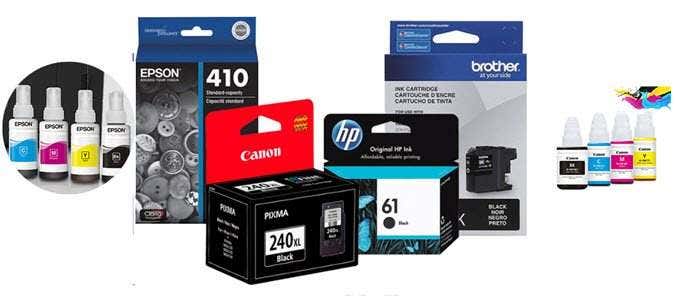
Everybody has heard the adage that the major inkjet printer manufacturers—Brother, Canon, Epson, and HP—make more from the ink that...
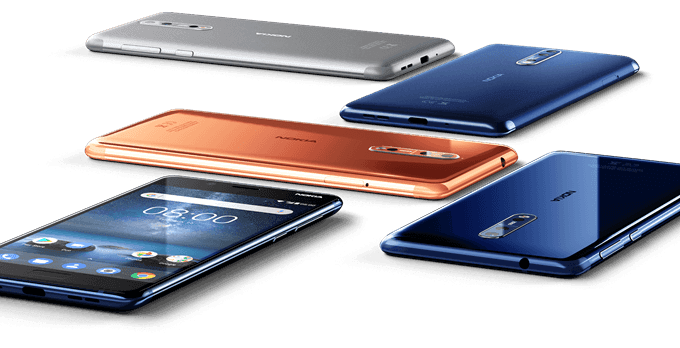
Since most Android smartphone makers, especially the leading manufacturers, update their wears annually and at varying times throughout the year,...
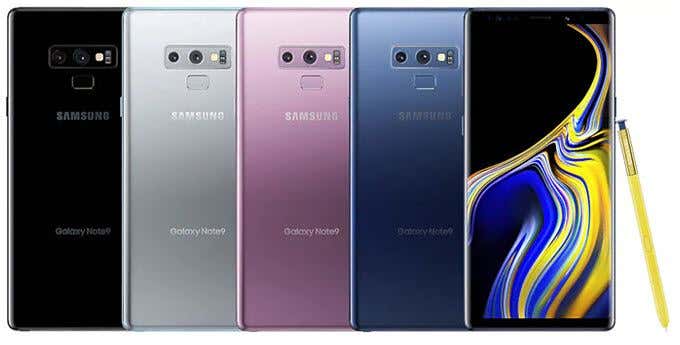
More and more users are in to big phones with big beautiful high-resolution displays, such as Google’s Pixel, OnePlus 6,...
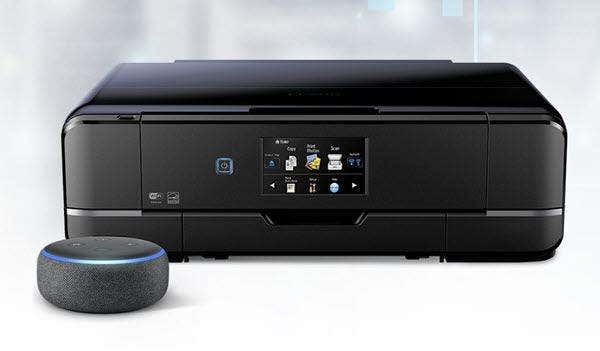
It took a while, but Smart Home voice-activation technology finally extended to printers and all-in-one (AIO), print, copy, scan, and...
While it’s true that Android devices dominate the smartphone market, the users of iPhones seem to have a much more...
One of Android’s most popular features, and undoubtedly a primary reason for its dominance of the smartphone market, is the...
Android smartphones are capable of many things that you just can’t do on Apple’s iOS (iPhone) devices. One of the...